

The Art of Aging: A Visit to Aroma Coffee in Bandung
Introduction to the Specialty
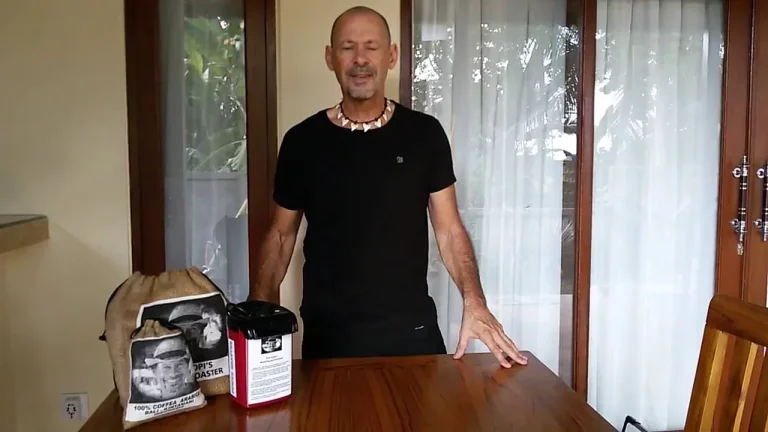
I am Pak Kopi, and this is Coffee University. We are embarking on our first field trip to Bandung, Indonesia, to visit Aroma Coffee. Aroma Coffee has gained a reputation for a unique practice: aging their green coffee beans. While roasted coffee must be consumed relatively soon after the process to preserve its flavor profile, green coffee beans can be stored for extended periods. At Aroma Coffee, the owner stores his green Arabica coffee for up to eight years.
The Roasting Process and History
The facility features a historic roaster that has been in operation since the 1930s. Upon finishing a batch of aged coffee, the roaster demonstrates a distinct approach to heat application. Unlike traditional methods that might push for a very dark roast, Aroma Coffee opts for a medium roast. This technique is particularly interesting given the owner’s extensive experience and the unique properties of aged beans.
The Warehouse and Storage Conditions
Inside the warehouse, the atmosphere is truly a “jungle of coffee,” surrounded by bags stored and stocked in vast quantities. The operation adheres to a strict “first-in, first-out” inventory system. However, looking deeper into the storage areas reveals beans that have been sitting for years. The visual transformation of the beans is striking; over an eight-year period, the color of the green coffee beans shifts from an initial greenish hue to a distinct yellow, and eventually to a brownish tone even before roasting.
Coffee Varieties and Flavor Profiles
The aging process affects different species of coffee differently. The facility stores eight-year-old Arabica beans, which develop a specific color profile. They also age Robusta coffee for five years. The owner notes that new Robusta coffee is quite sour, implying that the aging process plays a crucial role in maturing the flavor, reducing acidity, and developing a smoother profile suitable for consumption.
Equipment and Heritage
The roasting machinery is a testament to the region’s history and commitment to quality. The facility houses German-made roasters dating back to the 1970s, alongside the original unit from the 1930s. These machines facilitate a slow-burn roasting process, often utilizing rubberwood for fuel. This method ensures a gentle flame and a hard, slow burn, which is essential for achieving the nuanced flavor profiles associated with aged green coffee.