
The Coffee Truth: Understanding Arabica vs. Robusta
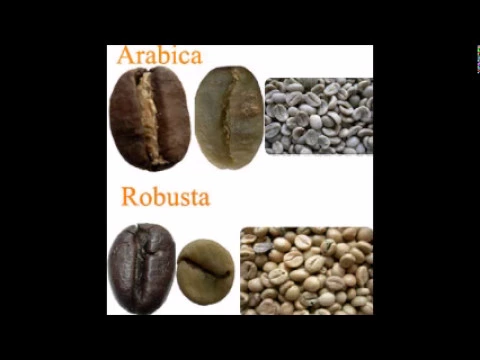
Hello, coffee lover. I am Pak Kopi, and welcome to another segment of the Coffee Truth series. Today, I want to focus on the fundamental kinds of coffee available in the world and keep things as simple as possible. There are basically two main types: Arabica and Robusta. Together, they make up roughly 100% of the world’s production and consumption. Arabica accounts for approximately 70%, while Robusta makes up the remaining 30%. There is a significant difference between these two varieties, and understanding them is crucial for every coffee drinker.
The Biological and Economic Differences
The most immediate distinction lies in their growing conditions and economic value. Arabica grows only at high elevations. Consequently, it is difficult to cultivate, resulting in a lower yield. It is also highly susceptible to diseases, such as Leaf Rust, which tends to devastate crops every decade or two. Because of these challenges, Arabica is at least double the price of Robusta.
In contrast, the Robusta variety does not require high elevation to grow. It produces a higher yield and is much more robust, meaning it is resistant to disease. However, this hardiness comes at a cost to flavor. The taste of Robusta is not nearly as refined as Arabica.
The Critical Distinction: Caffeine and Effect
The single most important point you need to know is that Robusta contains about twice as much caffeine as Arabica. While most people do not realize there is such a distinct difference, this high caffeine content creates a completely different physiological and psychological effect in the brain and body.
When you drink freshly roasted 100% Arabica, you experience a focused, grounded, and uplifted buzz. Conversely, Robusta induces a distracted, nervous, and jittery buzz. Additionally, Robusta tends to be very acidic. Many people report a burning sensation in their throat immediately after drinking it. This is a common reason why individuals believe they “cannot drink coffee.” They feel this burning sensation and assume they are intolerant to coffee in general. However, the solution is often simple: they have likely been consuming blends containing Robusta and haven’t tried pure Arabica.
The Deceptive Nature of Commercial Coffee
Why do major coffee companies not want you to know this? Because they rely on the cheaper, mass-market appeal of Robusta. Large corporations use Robusta in many of their packaged coffees, instant coffees, and canned ground blends. You will see brands like Maxwell House, Folgers, and Nestlé Café. While their packaging often claims “100% pure coffee,” they rarely specify “100% Arabica.”
If a package says “Arabica coffee” but does not explicitly state “100% Arabica,” you can bet there is a significant amount of Robusta blended in, often up to 50%. Manufacturers do this because Robusta is much cheaper and boosts the caffeine content, appealing to consumers looking for a stronger kick. Specialty coffee companies usually adhere to the standard of using only 100% Arabica.
The Espresso “Crema” Trick
There is a specific nuance regarding espresso. Some companies claim that adding a small amount of Robusta (about 20%) to an espresso blend enhances the flavor. This is a misconception; Robusta does not enhance the flavor profile in a positive, refined way. The actual reason for blending Robusta into espresso is that older roasted Robusta beans produce a better crema than older roasted Arabica beans. This is a marketing trick used to create a thicker layer of foam on top of the espresso.
However, if you use 100% Arabica beans that are freshly roasted, you will still get a dramatic, rich crema. The presence of Robusta is only necessary to force crema out of old, stale beans. Freshly roasted Arabica naturally produces an excellent crema without needing the Robusta blend.
Conclusion: Waking Up to the Truth
I always recommend using only 100% fresh-roasted Arabica. By doing so, you will experience the best effects, the best taste, and the highest quality for your morning brew. Everything about your coffee experience will be as good as it can be.
I encourage you to share this information with your friends, especially those who think they cannot drink coffee. If they see this video and try 100% Arabica, they will likely be surprised by how much they enjoy it and how it makes them feel.
We can all wake up with much better-tasting coffee. What better way to start the day than with an understanding of what coffee really is and how we can benefit from it most? The large coffee companies are in business for profit, often without caring about how their products affect the masses. By choosing 100% Arabica, we can take control of our morning ritual.
That’s it for now. I am Coffee Lover Pak Kopi. See you again in the next segment of Coffee Truth.