

Fresh Roasted Coffee in Phuket: A Conversation with Delish Café
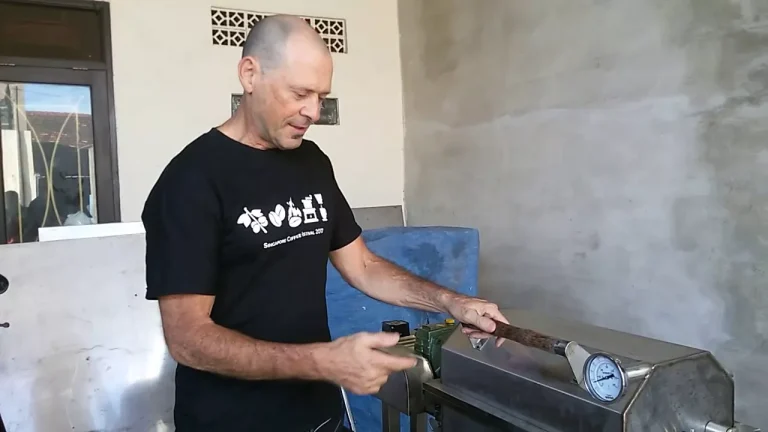
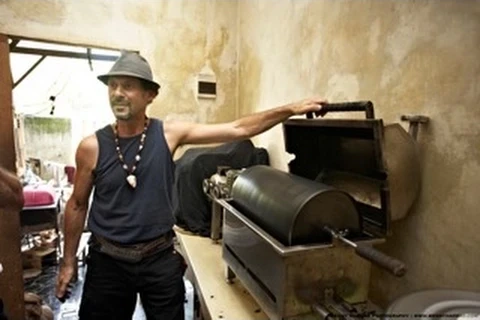
I am Pak Kopi, and I am currently in Phuket, Thailand, where I have just sold and set up one of my three-kilo roasters. The recipient of this equipment is Greg Johnston, the founder of Delish Café here in Phuket. Delish Café is renowned for serving delicious food and is now proud to offer fresh-roasted coffee. This article explores Greg’s experience with the Pak Kopi commercial roaster and his insights on the importance of freshness in the local coffee scene.
The Journey to Freshness
Delish Café has been operating for four and a half years, building a strong reputation for making great coffee. However, the introduction of Asher’s concept—that “fresh is best”—marked a turning point. The café committed to consuming coffee within five days of roasting, a practice that brings a new light to the world of espresso.
Asher traveled from Bali to familiarize the Delish Café team with the operation of the roaster. Remarkably, the learning curve was incredibly short. After just one demonstration roast, Greg was operating the machine independently. Within a day or two, Greg produced a roast that actually turned out better than the demo roast. Greg described the machine as very easy to use and simple.
The Importance of Roast Dates
The conversation with Greg highlighted a critical issue in the local industry. Many other roasters in the area are using Thai Arabica—a fine, world-renowned coffee—but they are not putting roast dates on their bags. Without roast dates, consumers cannot control the freshness of the coffee, which is a critical factor in achieving the best possible cup.
Greg’s background as a former vineyard owner plays a significant role in his appreciation for this process. Having owned a vineyard, he understands the intricacies of wine production and the importance of timing and process. He draws a direct parallel between wine and coffee, noting that both have subtle tastes and specific chemical profiles that are present during certain processes. Just as one must treat grapes and coffee beans in a specific way to preserve their integrity, the freshness of the roast is paramount.
Embracing Local Arabica
Greg is now doing what Asher does in Bali: sourcing and roasting only local coffee. He uses Arabica grown in the highlands of Thailand, keeping the entire process local. This approach not only supports local agriculture but also ensures sustainability.
Pak Kopi encourages all coffee-growing regions to adopt this model. He is available to assist anyone who wishes to use locally sourced Arabica coffee from their own country. This local focus is vital for several reasons:
- Organic Certification: It is nearly impossible to obtain organic certification for coffee imported from outside the country if it has been fumigated during transit. Using local coffee avoids this issue entirely.
- Sustainability: Sourcing locally reduces the carbon footprint associated with shipping.
- Economic Support: It keeps money within the local community and supports Thai farmers.
Conclusion
The transition to fresh, locally roasted coffee is a significant shift for the industry. While consumers accustomed to stale, imported coffee may need time to adjust to the new taste profile, the result is a real “zing” that makes the experience worthwhile. Greg’s success at Delish Café in Phuket serves as a validation for the movement toward fresh, organic, and locally sourced coffee. By embracing these values, cafés can offer a superior product while contributing to a more sustainable and vibrant local economy.