

The Hidden Reality of Imported Organic Coffee
The Shocking Truth Behind Fumigation
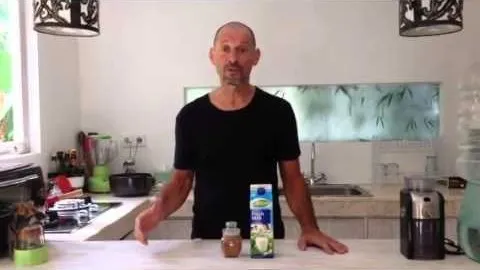
Pak Kopi introduces a subject from the “Coffee University” that is likely to shock many coffee enthusiasts: fumigation. While consumers often overlook it, this process is a critical yet controversial step in the global coffee trade. When green coffee beans are imported into a country, they must undergo fumigation. Consequently, distributors and traders are legally required to present a fumigation certificate to customs authorities.
The necessity of this process stems from the biological nature of coffee. Green coffee beans are essentially live seeds. During their journey and storage, they can harbor pests and bugs. To ensure these pests are eliminated before the beans reach the consumer, a chemical fumigation process is applied.
The Organic Dilemma
This mandatory treatment raises a profound question for buyers of organic coffee: If coffee is fumigated, is it truly organic?
In Pak Kopi’s opinion, the answer is no. While the coffee may have been grown organically in its country of origin, the moment it undergoes chemical fumigation for import, its organic status is compromised. This realization has led to a specific philosophy at Pak Kopi’s location in Bali.
To preserve the integrity of their product, Pak Kopi has decided not to import any coffee. Instead, the business relies exclusively on locally sourced coffee beans. This approach ensures that the coffee never has to pass through the fumigation process, thereby maintaining its purity from farm to cup.
A Potential Alternative: Oxygen Elimination
Pak Kopi acknowledges that there may be a way to import organic coffee without using chemical fumigants. One proposed method involves eliminating oxygen. By placing green coffee beans in an oxygen-less environment, it becomes impossible for pests to survive, theoretically removing the need for chemicals.
However, Pak Kopi notes that this method requires further testing and research. Specifically, there is uncertainty regarding how an oxygen-less environment affects the “life force” inherent in the coffee bean. While the outcome is unknown, the goal is to raise awareness among consumers. It is important to know that if you purchase imported organic coffee, it has almost certainly been chemically altered through fumigation—a fact that the coffee industry rarely discusses.
The Path Forward
The preference for locally sourced coffee remains strong. If coffee can be grown, processed, and consumed locally, there is no need to subject the precious coffee bean and seed to chemical alteration or international fumigation protocols.
By choosing local sourcing, consumers can enjoy coffee that has not been chemically treated, supporting a more transparent and authentic supply chain. As Pak Kopi concludes, understanding these hidden processes is the first step toward making more informed and conscious choices in the world of coffee.