
The Truth Behind Kopi Luwak: Myth vs. Reality
Introduction
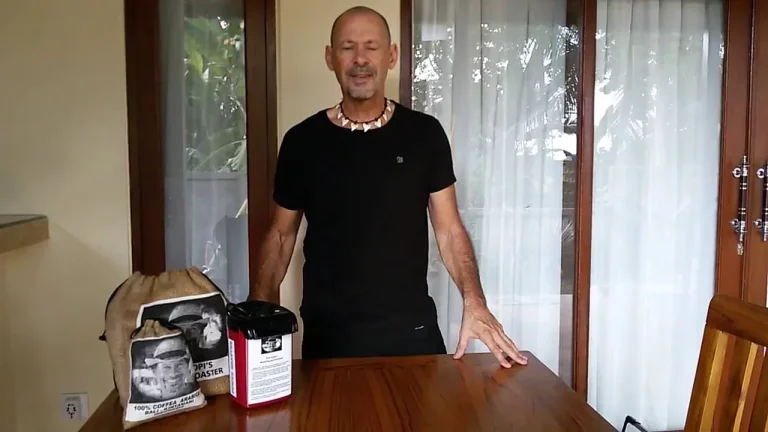
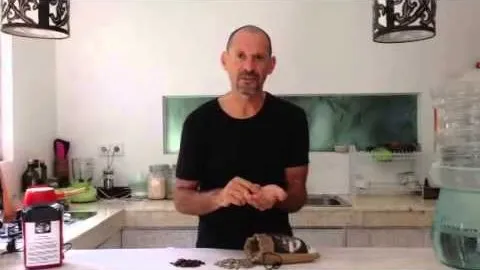
Hi, I’m Pak Kopi, and welcome to Coffee University. This video explores a beverage known in Indonesia as Kopi Luwak, or civet cat coffee. This unique coffee is produced by an animal that eats coffee cherries, digests the fruit, and excretes the beans intact. These beans are then collected, roasted, and sold at the highest price for a cup of coffee in the world.
While many consumers assume that a higher price tag equates to superior quality, my experience suggests otherwise. In fact, Kopi Luwak is often considered a scam. In this article, we will examine exactly why this is the case, debunk the popular myths, and reveal the actual process behind its creation.
The Pop Culture Origin
The concept of civet cat coffee was popularized globally by the movie The Bucket List, starring Jack Nicholson and Morgan Freeman. In the film, Nicholson’s character includes trying this exotic coffee on his bucket list. The coffee is described as costing upwards of $100 per cup, having passed through a civet cat’s digestive system.
While the premise sounds disgusting to some, the appeal lies in the novelty and the shock value it provides to friends and family. Consequently, tourists frequently visit coffee shops in places like Bali asking specifically for Kopi Luwak or civet cat coffee.
The Biological Process: Nature’s Design
To understand the product, one must first understand the biology of the coffee cherry and the civet.
The Mucous Membrane
There is a common misconception that the civet’s digestive tract alters the coffee in a magical way. In reality, nothing chemically changes the bean inside the animal’s body. The coffee seed possesses a natural mucous membrane surrounding it, which sits beneath the outer fruit (the cherry).
Nature has designed this membrane specifically to allow the seed to pass through the animal’s digestive tract untouched. This is a survival mechanism; the seed “wants” to become a new tree, so it requires protection to survive the journey through the animal and be deposited elsewhere to germinate.
The Resulting Bean
When a civet defecates the seeds, the inner coffee bean is completely intact. The mucous membrane remains attached during this process. However, when humans prepare the coffee for roasting, they must remove this membrane.
- Drying: Farmers dry the seeds so the mucous membrane becomes loose and easy to remove.
- Roasting: You cannot roast the coffee with the mucous membrane still attached. If the membrane is not removed, the bean will not grow into a tree if planted.
Therefore, the “special treatment” inside the civet is actually a biological necessity for the seed’s survival, not a unique flavor-enhancing process.
The Disadvantage of Modern Farming
The primary advantage of the wild civet is its ability to select the ripest cherries. Ripe cherries contain the most developed and flavorful coffee beans. However, in many commercial coffee-growing areas like Indonesia and Vietnam, this natural advantage has been taken away.
Caged Civets
In modern production, civets are often kept in cages and fed exclusively by humans. They no longer have the ability to roam free and choose the specific, ripest cherries from the forest canopy. Instead, they are fed whatever cherries humans provide them.
This practice strips the civet of its natural selection capability. Since the digestive process itself does not alter the bean, feeding the animal unripe or less optimal cherries results in a product that offers no inherent quality advantage over standard coffee. The “scam” lies in the marketing that implies the cage-feeding and lack of choice somehow enhance the flavor.
The Fermentation Process: A Human Mimicry
In many traditional coffee-growing regions, such as Bali, farmers have discovered a way to replicate the civet’s digestive process without using animals.
- Separation: Farmers separate the mucous membrane and the seed from the cherry.
- Fermentation: The seeds are placed in water to ferment for 24 hours.
- Cleaning: This fermentation process mimics the time the seed would spend in a digestive tract, loosening the mucous membrane so it can be removed before roasting.
This manual fermentation achieves the same result as the biological process: it allows the mucous membrane to detach naturally. This confirms that the “specialty” of the coffee comes from the fermentation method, not the animal itself.
Conclusion: What Makes Coffee Tasty?
The central myth of Kopi Luwak is that it is the best-tasting coffee in the world due to its origin. However, the question that should always be asked is: What makes coffee taste best?
The answer lies in three key factors:
- Variety: Is it 100% Arabica?
- Origin: Is it organically grown?
- Timing: When was it roasted?
These variables determine the quality of the cup far more than the method of bean processing. While Kopi Luwak can be delicious if processed correctly, paying a premium price simply for the story of a civet is unnecessary.
Thank you for joining us on this field trip through the science of coffee. Stay tuned for future episodes where we will show you the exact visual process of how this all works.
Pak Kopi, Coffee University.