Inside the Power Roaster: A Deep Dive into Design and Sustainability
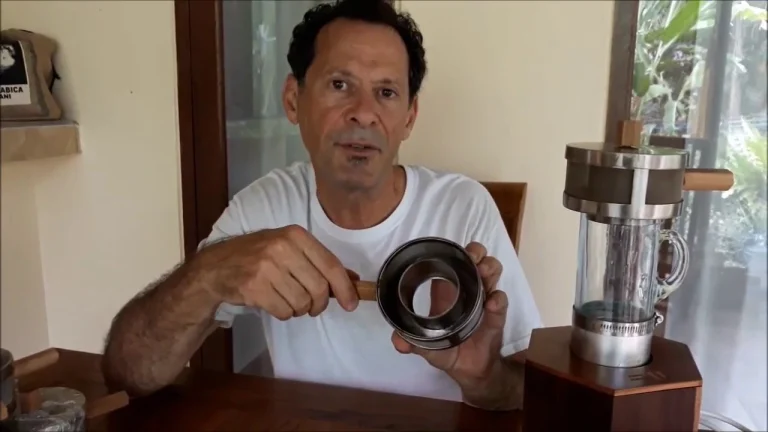
This is Pak Kopi, and I am currently in the middle of a Kickstarter campaign for my Power Roaster. In the following videos, I will explain several key details about the machine, showcasing the decisions we made while developing it over the last several years. I will also explain the reasoning behind those decisions and highlight the specific features of the Power Roaster.
The Evolution of the Base
To begin, let’s examine the base of the machine. Initially, we designed the base using giant bamboo. Our goal was to utilize a sustainable material. However, we discovered a significant challenge: every single piece of bamboo is slightly different. To work with this material, we had to customize each piece individually, which required a tremendous amount of labor. While the material itself was inexpensive and sustainable, the high labor cost for customizing every unit proved unsustainable for production.
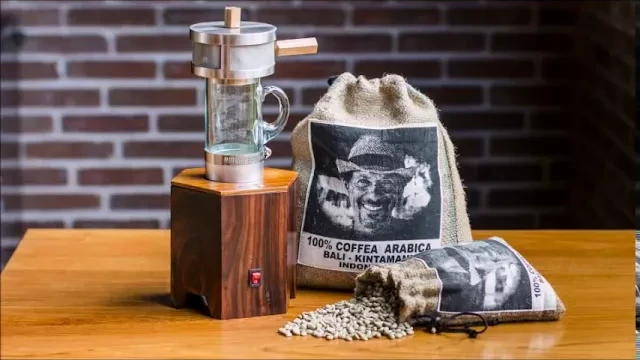
Consequently, we decided to switch to a different approach. We sought out sustainably sourced wood and partnered with a craftsman named Eugene, a Russian expert who performs amazing work with wood. Eugene utilizes tree roots that have been in the ground for a long time after the trees were cut down. He digs these roots up, and they possess an incredible, unique grain. This specific grain allows us to cut panels more efficiently, enabling a production process that is far less labor-intensive than the bamboo method. While the material cost is slightly higher, the reduction in labor costs makes this a viable and superior option.
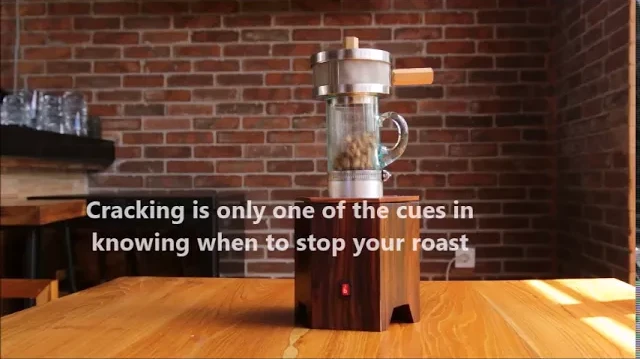
Every top of the base features a nice laser etching of the Power Roaster logo, signifying that this is our authentic product. The base houses the internal components of the machine, which include the heating element, the motor, and the fan.
Proprietary Internal Components
Regarding the specific internal parts, such as the heating element, motor, and fan, we have received many requests for part numbers and specific schematics. However, we consider this information proprietary intellectual property. We spent years testing many different kinds of fans, motors, and heating elements before settling on the configuration that we believe works incredibly well.
The Power Roaster can roast 120 grams of coffee in just six minutes. We are confident that no other machine on the market can match this speed while maintaining a perfect roast. Therefore, we are not going to provide specific internal part numbers or manufacturing schematics freely. If anyone wishes to purchase a unit and attempt to reverse-engineer it, that is entirely up to them, but we will not be sharing our technical blueprints.
The Importance of Wood: Safety and Heat Dissipation
There is another critical reason we chose to use wood for the exterior: safety and heat management. The machine gets extremely hot on the inside due to the heating element. If plastics or certain metals were used, they would retain that heat, making the exterior dangerously hot to the touch.
When the Power Roaster is finished roasting, the exterior remains at roughly room temperature. This is due to two primary factors: the material itself and the internal design. We need space inside the machine for the heat to dissipate properly. Furthermore, the heating element is not in direct contact with the wood; there is an insulating layer in between. This ensures that the wood does not suffer damage, eliminates fire risks, and keeps the exterior cool even after the roasting process is complete.
That concludes the overview of the base. In the next video, we will move on to discuss the chaff catcher and the glass. Thanks, coffee lovers, and tune in again. This is Coffee University, and I am Pak Kopi.